Best Embroidery Machine for Patches | Expert Picks & Buying Guide
21 Dec 2025

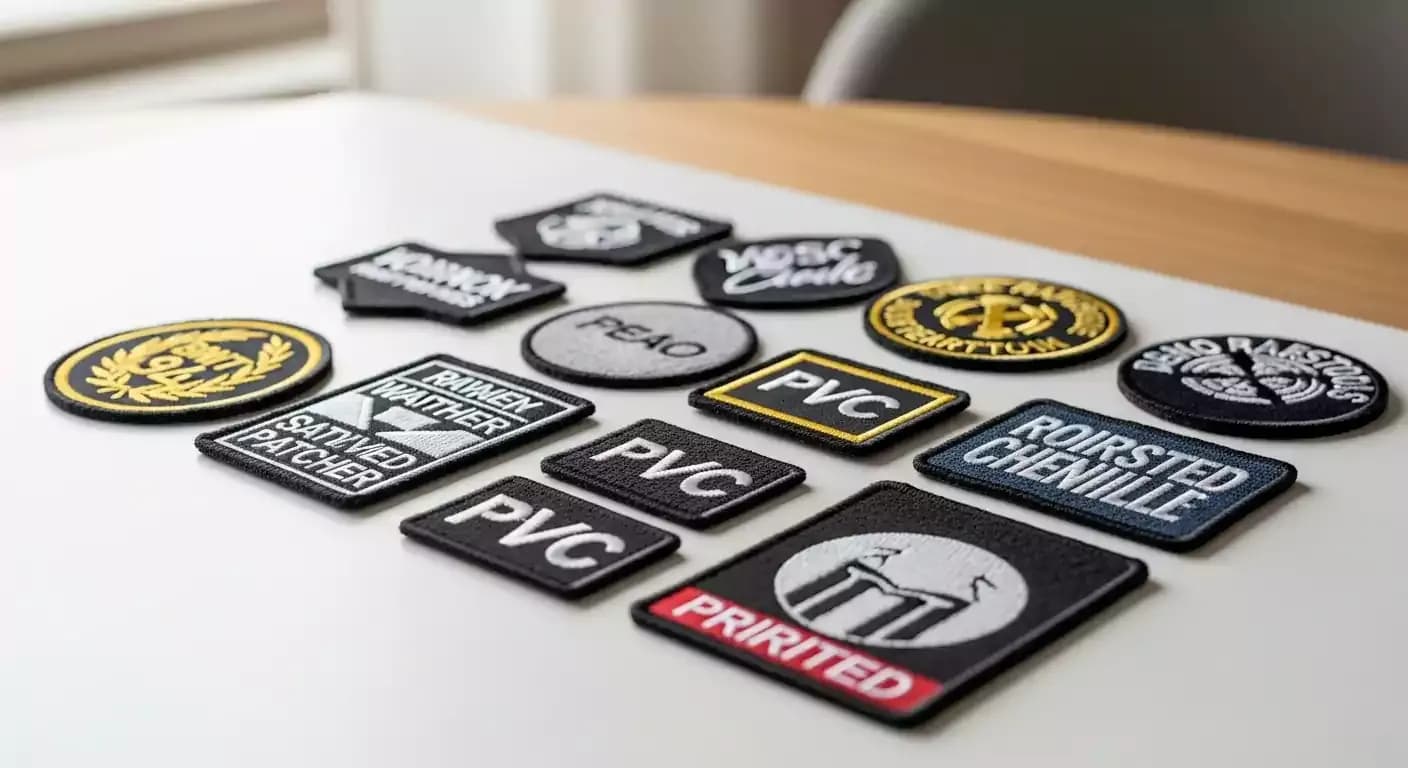
In today’s branding, fashion, and utility-driven markets, the custom patch has become far more than a decorative element it’s a powerful tool for identity, storytelling, and brand recall. Whether you’re creating a uniform, launching merchandise, or adding flair to jackets and backpacks, understanding the different types of patches is crucial for choosing the right solution for your needs.
From classic embroidered patches to ultra-detailed woven designs, rugged PVC patches to vintage chenille patches, each patch type offers unique strengths in style, durability, and application.
But with so many custom patch styles and backing types available today — including iron-on patches, Velcro, and adhesive backing it can be difficult to know which option will work best for your brand, team, or garment.
This comprehensive guide covers all the types of custom patches, how they’re made, what they’re best for, and how to select the perfect custom patch based on your specific needs. Whether you're planning to make custom patches for a business, a club, or just to show off your creative flair, this article will help you confidently create your own custom patches with professional insight.
Let’s explore the features, benefits, and ideal uses of each patch type and help you design a patch that lasts, looks great, and tells your story.
When people hear the term custom patch, they often think of a basic embroidered logo stitched onto a jacket or cap. But in reality, patches are made using a wide variety of materials, manufacturing techniques, and custom patch styles each offering different benefits in terms of texture, durability, price, and design complexity.
Understanding the types of custom patches is essential whether you’re branding a product line, outfitting a team, or just looking to personalize clothing or accessories. Each patch type serves a specific purpose and has its own unique strengths. Some offer bold, traditional looks (like embroidered patches), while others shine in high-resolution detail (like printed patches or woven patches). Others are built for toughness and rugged outdoor use, such as PVC patches.
All patch types vary based on five key factors:
1. Material used – fabric, rubber, leather, yarn, or metal wire
2. Design method – stitching, weaving, printing, molding, embossing
3. Texture and appearance – flat, raised, soft, glossy, or fuzzy
4. Durability and application – washable, waterproof, heat-resistant, etc.
5. Attachment style – iron-on, Velcro patches, sew-on, or adhesive backing
Throughout this guide, we’ll cover each of these kinds of patches in detail including embroidered, woven, pvc, leather, chenille, bullion, and more so you can confidently choose the right type of patch for your design, brand, or uniform.
Embroidered patches are the most iconic and time-tested type of custom patch — the kind you’ve likely seen on military uniforms, varsity jackets, scout badges, and corporate apparel. They’re made by stitching colorful threads directly into a fabric base, often covering 50% to 100% of the patch surface. This process creates a distinct textured look with a raised, tactile finish that gives embroidered patches their signature style.
Whether you’re after a high-quality brand presentation or a bold statement for uniforms or accessories, traditional embroidered patches are an excellent choice.
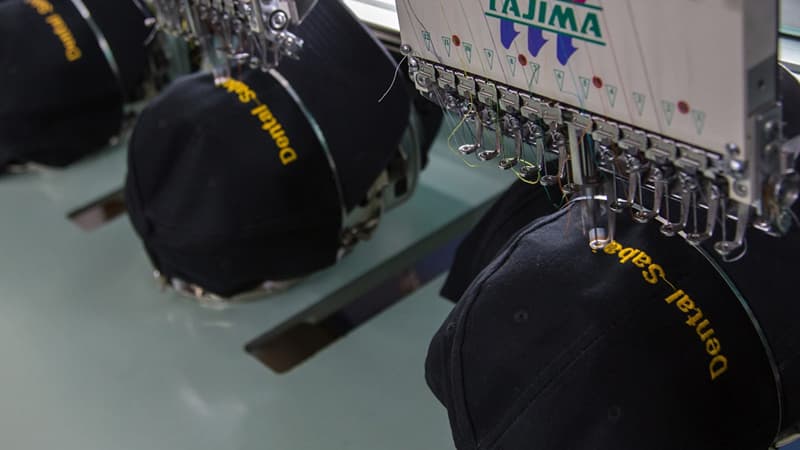
An embroidered patch is created by using embroidery machines to sew thread into a base fabric like twill. The design is digitized (converted into a stitch file), then stitched using colored threads, often in multiple layers to add depth, dimension, and even 3D effects (like 3D embroidered patches).
Borders can be either:
· Merrowed edge (thick, overlocked finish – common on round or square patches)
· Laser-cut edge (for complex or custom shapes)
· Military uniforms, police, and fire department badges
· School clubs, teams, and varsity jackets
· Company logos for jackets, caps, or workwear
· Event branding or promotional giveaways
· Personalized name patches for individuals or teams
These patches are known for their high-quality custom appeal and long-lasting presence on garments.
· Textured and raised feel gives it a premium, handcrafted vibe
· Durable and resistant to wear, washing, and sunlight
· Supports vibrant thread colors, including metallics
· Suitable for standard logos and mid-level intricate designs
· Multiple backing types: iron-on, sew-on, Velcro, adhesive backing
· Less suited for very small text or detailed designs (woven or printed may be better)
· Maximum of 12–15 thread colors in most cases
· Fully embroidered designs with 100% coverage are more expensive
· Turnaround time may be longer due to the stitching process
· Best for logos, shapes, and stylized illustrations
· Thread layering can simulate shadows, borders, and highlights
· Optional 3D embroidery adds dimension for sports teams or fashion brands
· Can be combined with custom leather patches or PVC patches for hybrid designs
· Cost depends on size, stitch count, and coverage percentage
· 50% embroidered patches are cheaper than 100% filled ones
· Average turnaround time: 5–10 business days (plus shipping)
If you're aiming for a classic, textured, and long-lasting finish, the embroidered patch remains the most recognized and widely used option. Whether you want to decorate a jacket, brand a uniform, or create a set of high-quality custom patches for your company, embroidery offers a perfect balance of durability, elegance, and impact.
Woven patches are the go-to choice when your design demands intricate detail, sharp lines, or small, fine text. Unlike embroidered patches — which use thicker thread stitched onto fabric — woven patches are created by weaving thinner threads together to form a smooth, high-definition image directly in the weave. The result is a flatter patch that captures even the most detailed designs with stunning clarity.
If your logo, emblem, or text requires a clean and professional finish without raised texture, a woven patch might be the best patch for your needs.
A woven patch is made on a loom, where colored threads are tightly interlaced to form the design itself. This creates a soft, fabric-like patch without any embroidery stitching. It’s ideal for logo patches, text-heavy layouts, and custom designs that need to retain clarity at small sizes.
Because the surface is flat and the threads are finer than embroidery, woven patches offer superior resolution and readability.
· Corporate and brand logo patches
· Uniform badges with detailed info (e.g., department, name, job role)
· Labels for apparel, bags, and accessories
· Souvenir patches and product tags
· Patches with small text or complex iconography
· Allows for thinner threads and high-resolution designs
· Ideal for intricate detail, thin lines, and tiny text
· Smooth surface with a more refined appearance
· Lightweight and flexible — ideal for heat-sensitive garments
· Supports a wide range of colors, gradients, and small icons
· More affordable than fully embroidered patches with similar complexity
· No textured look – design is completely flat
· Lacks the “classic” tactile feel of embroidered thread
· Not suitable for large or bold 3D visuals
· May appear less dimensional when compared side by side with embroidery
· Flat and smooth — best for clean, minimalistic branding
· Available with iron-on, sew-on, adhesive backing, and Velcro patches
· Can be laser-cut to custom shapes or finished with merrowed borders
· Cost-effective for detailed logos
· Faster to produce than complex embroidery (lower labor time)
· Average turnaround time: 5–7 business days
If your patch design requires clarity, small text, or delicate lines that embroidery just can’t handle, woven patches are a smart alternative. They’re lightweight, stylish, and perfect for clothing or accessories that need professional branding — without sacrificing design integrity.
Printed patches, also known as sublimated patches, are ideal for designs that need vibrant colors, photo-realistic detail, or intricate gradients. Instead of using thread or yarn, these patches are made by printing the design directly onto a fabric surface — often using dye-sublimation. This process fuses ink into the fibers, resulting in a smooth, durable, and full-color patch that retains even the finest detailed designs.
If you're looking to reproduce a photograph, gradient-rich logo, or full-color art on a patch, printed patches are your best bet — offering unmatched detail at a very cost-effective price.
A printed patch uses heat and pressure to transfer a digital design onto a patch surface (typically polyester twill). Unlike embroidery or weaving, no threads are used — the image is permanently embedded into the fabric. The process is fast, clean, and allows for unlimited colors and gradients.
To finish, most printed patches are paired with a merrowed edge or heat-cut border, and can include an iron-on backing, adhesive backing, or Velcro for easy application.
· Sports team logos or mascots with full-color detail
· Event giveaways and promotional items
· Scout badges or summer camp patches
· Corporate logos with gradients or photographic elements
· Small runs of customized patches with quick turnaround time
· Unlimited color range — ideal for custom design with gradients, shadows, or photos
· Sharp, high-quality look even with small fonts or icons
· Fast production and great for rush orders
· More affordable than embroidery or weaving for multicolor patches
· Lightweight and comfortable for casual wear
· Flat surface — lacks the textured look of embroidery or chenille
· Less rugged than PVC or embroidered patches for extreme environments
· Ink may fade over time with aggressive washing (though sublimation is more durable than older print methods)
· Doesn’t offer a “stitched” or dimensional aesthetic
· Smooth, soft texture similar to printed fabric
· Popular backing types include:
o Iron-on (most common)
o Sew-on (recommended for durability)
o Velcro patches (for tactical or swappable use)
o Adhesive backing (temporary use, great for events or samples)
· Very affordable — especially for complex designs with many colors
· Ideal for low-budget, short-run patches
· Average turnaround time: 3–5 business days (often fastest among all patch types)
If you need fast, vibrant, and affordable patches that can capture every pixel of your artwork, printed patches are a fantastic solution. From promotional items to sport team logos, they offer excellent visual clarity and flexibility — especially when intricate designs or color transitions are critical.
When durability meets design, PVC patches step in as the toughest and most weather-resistant option in the world of custom patches. Made from soft polyvinyl chloride (PVC), these patches are molded into 2D or 3D shapes and offer a flexible, rubber-like texture that’s built to last. Unlike embroidered or woven patches, PVC patches don’t use fabric — instead, they’re designed to resist water, dirt, heat, and UV exposure, making them perfect for outdoor use.
Whether you're equipping a military uniform, creating promotional items for rugged environments, or branding gear bags, PVC is a reliable alternative to traditional embroidered patches.
PVC patches are made by injecting colored soft plastic into custom steel molds to create raised designs. The result is a thick, flexible patch with a smooth, rubberized surface and vivid color separation. Designs can be flat (2D) or layered (3D), and custom shapes are easy to produce — no embroidery borders needed.
PVC is highly resistant to damage from water, UV light, chemicals, and abrasion, making it ideal for harsh conditions.
· Military uniforms, tactical gear, Airsoft and paintball vests
· Camping, hiking, and outdoor gear branding
· Toolbags, luggage tags, hats, and rugged apparel
· Velcro patches for swappable patches on tactical uniforms
· Custom logo patches with bold outlines and 3D effects
· Rugged and weatherproof — won’t fade, fray, crack, or shrink
· Great for high-impact environments and frequent washing
· Sharp, clean edges and bold colors with high contrast
· Easy to mold into custom shapes and unique designs
· Long-lasting and ideal for professional, industrial, or military use
· Flat, plastic feel — no thread or textured look
· Not breathable like fabric-based patches
· Less suited to very small text or highly intricate designs (may blur in rubber mold)
· Iron-on not an option — heat will melt PVC
· Smooth, rubberized surface with optional 3D embroidered patches effect
· Available with:
o Sew-on backing (stitched along the edge or tabs)
o Velcro backing (commonly used in uniforms and gear)
o Adhesive backing (for flat surfaces or display items)
o Magnetic or keychain attachment for novelty products
· Moderate to high cost — initial mold adds setup cost, but bulk production is affordable
· Ideal for mid-to-large orders
· Turnaround time: 8–12 business days (includes mold creation)
If you need patches that stand up to nature, moisture, and heavy handling, PVC patches are the ultimate choice. With a modern aesthetic and unmatched toughness, they’re perfect for uniforms, tools, outdoor gear, and any application where long-lasting performance is non-negotiable.
When you're aiming for a refined, rugged, or high-end aesthetic, leather patches are the ultimate statement of quality. Whether real or synthetic, custom leather patches bring a timeless look to apparel and accessories — especially when combined with embossing, debossing, or heat-pressed logos. You'll find them on denim, outerwear, backpacks, hats, and other goods where a natural, textured finish adds character.
Brands often choose leather to stand out from the crowd, create a high-quality look, or evoke a vintage vibe. From rustic faux leather patches to polished designer tags, this patch type delivers style and substance.
A leather patch is a die-cut piece of either genuine leather or faux leather (synthetic polyurethane or vinyl) that’s customized with a logo, text, or artwork. Designs can be:
· Embossed – raised from the surface
· Debossed – stamped into the material
· Laser-engraved or heat-pressed
· Printed with ink or foil (e.g., gold/silver)
Patches can be shaped and sized as needed and are typically attached by stitching or adhesive backing.
· Jeans and denim wear (waist labels or tags)
· Varsity jackets, leather coats, and outerwear
· Fashion brand logos on caps, backpacks, beanies
· Rustic-themed or luxury product packaging
· High-end apparel lines or limited-edition goods
· Unique texture and premium visual appeal
· Long-lasting, naturally rugged material
· Works well with minimalistic and bold branding
· Faux leather offers a vegan, budget-friendly alternative
· Stylish finish — blends well with cotton, denim, wool, or synthetics
· Can be expensive, especially with high-quality custom leather or foil treatments
· Not ideal for highly intricate designs or tiny text
· Requires careful handling during application — leather can scorch or wrinkle if overheated
· Iron-on may not bond well; usually better with sew-on or strong adhesive
· Natural grain, smooth matte, or textured finishes depending on the leather type
· Available with:
o Sew-on backing (most common and secure)
o Adhesive backing for lightweight or flat uses
o Light iron-on applications (with caution and pressing cloth)
o Snap-back or magnetic options for accessories
· Genuine leather patches are among the most expensive options
· Faux leather patches are more affordable, with similar visual appeal
· Turnaround time: 7–10 business days depending on finish type and volume
For a distinctive, upscale feel that combines branding and durability, leather patches are a standout choice. Whether you're crafting a bold fashion piece or branding luxury merchandise, they offer a long-lasting, stylish solution with strong tactile appeal.
Few patches carry as much nostalgic weight and school spirit as chenille patches. Known for their thick, fuzzy texture and bold lettering, these patches are synonymous with varsity jackets, team emblems, and academic or athletic achievement. Made by looping yarn into a felt base, chenille patches offer a warm, vintage look that immediately stands out — both in texture and in tradition.
They may not be suited for fine lines or small details, but when it comes to bold visual identity, chenille is in a league of its own.
A chenille patch is created by stitching wool or acrylic yarn into a felt or twill base using a technique that loops and cuts the yarn into a soft, carpet-like surface. The result is a thick, tactile patch with high-volume textures and a cozy appearance.
Because of the materials and construction, chenille patches are best for large block letters, numbers, and simple logos — not fine-detail artwork.
· High school and college varsity jackets
· Cheerleading, baseball, or football team logos
· Club initials, graduation patches, and award patches
· Letter and number monograms (e.g. "M", "22")
· Fashion brands aiming for a throwback or athletic vibe
· Distinctive textured look — soft, plush, and highly visible
· Highly durable when applied correctly (especially on wool or heavyweight fabrics)
· Great for bold shapes and stylized designs
· Available in many bright colors and sizes
· A fun and expressive alternative to traditional embroidered patches
· Not suitable for intricate designs, small text, or detailed illustrations
· Can be bulky — best for outerwear or thick garments
· May flatten or fuzz over time without proper backing
· Typically more expensive due to yarn volume and layering
· Very raised and fuzzy — soft to the touch
· Common backing types include:
o Sew-on backing (traditional for varsity jackets)
o Iron-on backing (for casual application, though sewing is recommended for durability)
o Velcro patches (for removable or swappable team patches)
· Generally more expensive than printed or woven patches
· Custom shapes and sizes may increase cost due to hand-layering
· Turnaround time: 10–14 business days depending on design and materials
For teams, schools, or brands that want to channel classic athletic energy with a cozy finish, chenille patches are the perfect fit. Bold, soft, and eye-catching, they provide retro style and rich texture where simplicity and presence matter more than precision.
If there’s one patch type that exudes prestige and craftsmanship, it’s the bullion patch. Often used for ceremonial or formal wear, bullion patches are hand-embroidered using real metallic wires, silk threads, and beads. They’re thick, ornate, and incredibly detailed — a symbol of honor and authority across military, naval, and elite club uniforms.
For brands or institutions looking to make a statement of legacy, tradition, or exclusivity, bullion patches remain unmatched in visual impact and craftsmanship.
A bullion patch is created by coiling fine metal threads (gold, silver, or copper) and stitching them onto a felt or velvet base by hand. Each design is carefully formed using metallic cords, silk floss, and sequins to create a 3D emblem with intricate relief. The process is entirely manual, which makes every patch unique and luxurious.
They’re often used as crests, badges, or insignias for organizations that want to highlight prestige and tradition.
· Military, navy, and air force uniforms
· Yacht clubs, fraternal societies, and ceremonial organizations
· Blazers, dress jackets, and caps for high-ranking members
· Institutional and academic award emblems
· Designer apparel and luxury accessory branding
· Luxurious high-quality look with metallic shine
· Each piece is handmade — unique and distinctive
· Patches are ideal for ceremonial, award, or luxury branding
· Extremely durable when cared for properly (intended for long-term display)
· Can be framed or presented as collectible crests
· High cost due to labor-intensive handwork
· Long turnaround time (often 3–4 weeks for small orders)
· Not washable — requires dry cleaning only
· Heavy and rigid — not suitable for soft or flexible garments
· Limited scalability for mass production
· Highly raised and metallic — tactile 3D texture
· Rich shine from coiled metal wire
· Typical backing types include:
o Sew-on backing (for jackets, blazers, and uniforms)
o Pin or clutch backing (for detachable badges)
o Rigid felt backing for display crests or emblems
· The most expensive type of patch due to manual craftsmanship
· Cost increases with metallic color variation, beads, or sequins
· Turnaround time: 14–25 business days depending on design complexity
For ceremonial or high-end apparel, bullion patches provide unmatched elegance and heritage. Their metallic luster, handcrafted precision, and long-lasting design make them perfect for organizations that value prestige, craftsmanship, and legacy.
The way a patch attaches to clothing or gear is just as important as how it looks. Choosing the right backing type determines how securely your patch stays in place, how easy it is to apply, and how long it lasts. Whether you’re working with embroidered patches, PVC patches, or leather patches, each application requires a compatible backing to ensure performance and style.
From iron-on adhesives to Velcro patches and permanent sew-on stitching, this section breaks down every attachment option and its best use case — helping you select the right method for your custom patch design.
The most traditional and permanent backing option, sew-on backing involves stitching the patch directly to the garment. It’s ideal for heavy-duty use and fabrics that experience regular washing or wear.
Best for:
· Embroidered patches, leather patches, and chenille patches
· Denim, cotton, wool, canvas, and military uniforms
Advantages:
· Extremely secure and long-lasting
· Maintains patch position permanently
· Washable and heat-resistant
Limitations:
· Requires sewing skill or machine
· Permanent — not easily removable
Iron-on patches feature a layer of heat-activated adhesive on the back. When pressed with heat, it melts and bonds to the fabric. It’s one of the most popular options for quick DIY application.
Best for:
· Embroidered patches, woven patches, and printed patches
· Cotton and polyester fabrics
Advantages:
· Fast and easy to apply
· Smooth, clean finish without stitching
· Ideal for personal projects and light apparel
Limitations:
· Adhesive may weaken over time or with washing
· Not suitable for outdoor use or heat-sensitive materials
· Should not be used on PVC or leather surfaces
Velcro patches (hook & loop) consist of two parts — one attached to the patch and the other sewn or glued to the garment. This allows patches to be easily removed, replaced, or swapped out.
Best for:
· PVC patches, military uniforms, and tactical gear
· Jackets, backpacks, hats, or sportswear
Advantages:
· Reusable and versatile
· Perfect for interchangeable custom patch styles
· Great for specific needs where multiple patches are rotated
Limitations:
· Can detach with strong friction or frequent washing
· Slightly thicker than adhesive or iron-on options
Adhesive backing patches have a pressure-sensitive layer, similar to a sticker. It’s great for temporary or promotional applications where the patch doesn’t need to be permanent.
Best for:
· Promotional items, event branding, and sample patches
· Surfaces where sewing or heat application isn’t possible
Advantages:
· Instant application — no tools or heat needed
· Ideal for temporary branding or single-use events
· Works on various surfaces including glass, metal, and fabric
Limitations:
· Not durable for long-term wear
· May peel off under heat, moisture, or washing
Used mostly in bullion patches or display patches, these backing types allow patches to attach to garments without sewing or gluing.
Best for:
· Bullion patches, formal jackets, or presentation crests
· Temporary or high-end applications
Advantages:
· No fabric damage or residue
· Removable and reusable
· Professional and clean finish
Limitations:
· Expensive to produce
· Heavier and not suitable for all fabrics
Selecting the correct backing type ensures your custom patch performs as intended — whether you want a permanent sew-on solution for durability or a removable Velcro patch for flexibility. Always match your backing to the fabric type, patch material, and end-use scenario for optimal longevity and function.
Selecting the perfect custom patch isn’t just about how it looks — it’s about how it performs. Each patch type offers unique benefits in durability, texture, and cost, making it crucial to choose based on your intended use, material, and design. Whether you’re outfitting military uniforms, customizing jackets, or producing promotional items, the key is matching your purpose with the right patch material and backing.
This guide simplifies how to choose a patch that aligns with your brand’s style, environment, and budget.
Best Choice: Woven patches or printed (sublimated) patches
· Capture small text, gradients, or photo-realistic details
· Best for logo patches, fashion branding, or detailed custom designs
· Printed patches are ideal for color-rich art; woven patches suit minimal graphics
· Lightweight and smooth — perfect for clothing or accessories
Tip: If your artwork includes shading or color transitions, printed patches are a better choice than traditional embroidered patches.
Best Choice: Embroidered patches
· Perfect for uniforms, corporate wear, and apparel
· Offer a raised textured look with a premium feel
· Highly durable and long-lasting even after multiple washes
· Support iron-on, Velcro, and sew-on backing types
Tip: Opt for fully embroidered designs for a bold, handcrafted appearance.
Best Choice: PVC patches
· Designed for outdoor gear, tactical bags, and military equipment
· 100% waterproof, UV-resistant, and rugged under extreme conditions
· Velcro patches make them swappable and versatile
· Keep colors vibrant even in rough environments
Tip: PVC patches are an excellent alternative to traditional embroidered patches for weather-exposed applications.
Best Choice: Leather patches or bullion patches
· Leather patches offer a sleek, high-quality look for fashion lines and accessories
· Bullion patches deliver opulence — ideal for ceremonial or high-end apparel
· Great for faux leather alternatives if vegan branding is required
· Perfect for brands emphasizing craftsmanship and exclusivity
Tip: Choose custom leather patches with debossing for timeless branding appeal.
Best Choice: Chenille patches
· Soft, fuzzy texture ideal for varsity jackets, sports apparel, and clubs
· Best suited for simple shapes, large lettering, or numeric monograms
· Eye-catching and nostalgic — great for schools and sportswear
Tip: Combine chenille with embroidered edges for sharper borders and longer wear.
Best Choice: Printed patches or woven patches
· Fast, low-cost, and ideal for promotional items or limited runs
· No setup for stitch files, making them quick to produce
· Clean finish and professional appearance without embroidery costs
Tip: Opt for sublimated patches for photographic prints with vibrant, lasting color.
Best Choice: Velcro patches
· Common in military, tactical, and sports uniforms
· Easily removable and re-attachable — great for multiple patch sets
· Suitable for PVC, embroidered, and woven patches
· Efficient for branded gear with interchangeable roles or logos
Tip: Pair Velcro with PVC or embroidery for the perfect balance between flexibility and durability.
Best Choice: Adhesive or Iron-On patches
Tip: For short-term use or promotional displays, adhesive backing provides fast results without sewing or heat tools.
Conclusion: Create Your Own Custom Patches with Confidence
From embroidered patches with a classic, textured charm to PVC patches built for rugged outdoor use, and from leather patches symbolizing premium branding to chenille patches reflecting varsity spirit every type of patch serves a distinct identity and purpose. The world of custom patches has evolved into a precise fusion of craftsmanship, technology, and creativity, giving brands, teams, and individual’s endless options to express themselves.
When you understand the different types of patches, it becomes easier to select the perfect custom patch for your intended use. For example:
No matter your choice, every custom patch design can be tailored with your preferred backing type iron-on, Velcro, sew-on, or adhesive giving you total control over both appearance and application.
High-quality, long-lasting patches elevate everything from uniforms to promotional items, turning ordinary clothing into powerful branding statements. By defining your specific needs, budget, and visual goal, you can confidently create your own custom patches that combine style, durability, and identity.