Kathleen Nimmo Lynch: Career, Celtics Role, and What’s Confirmed About the 2022 Controversy
23 Dec 2025

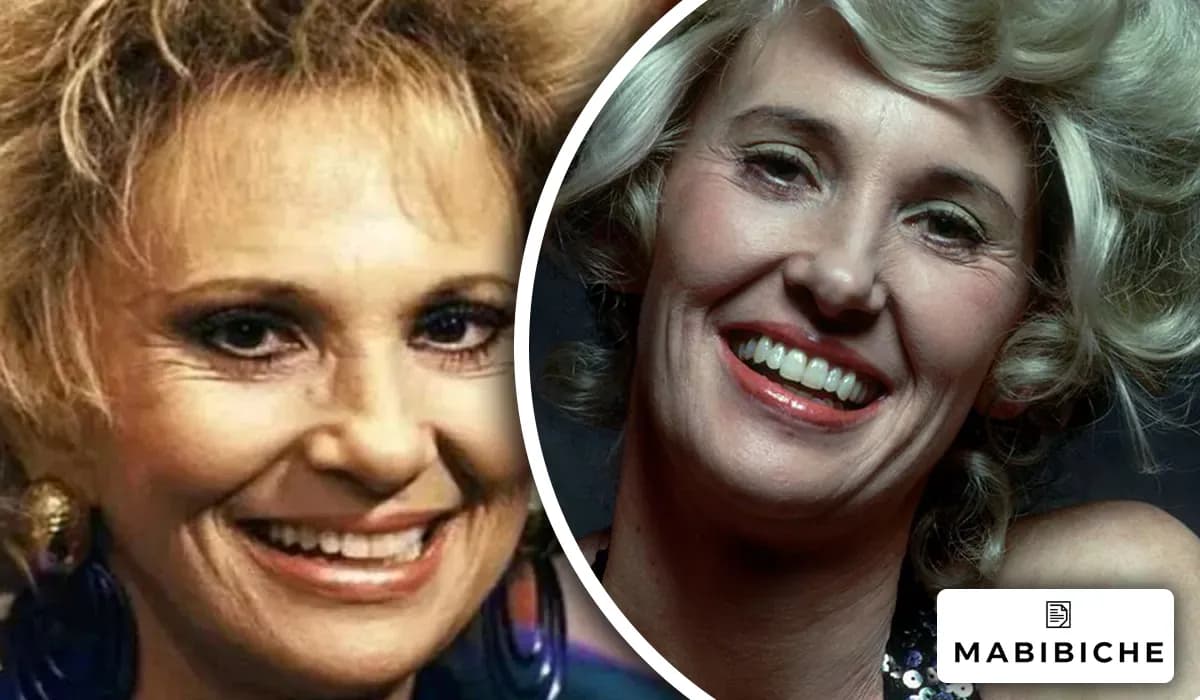
Gwendolyn Lee Byrd is best known as the eldest daughter of legendary country music singer Tammy Wynette, often remembered as the “First Lady of Country Music.” While her mother’s voice, songs, and personal life became part of American music history, Gwendolyn chose a very different path—one defined by privacy, family responsibility, and life away from the public eye.
Born years before Tammy Wynette reached stardom, Gwendolyn grew up during the most difficult and formative period of her mother’s life.
Unlike many celebrity children who later step into media or entertainment, she has remained intentionally private, never giving interviews or seeking attention. Her story matters not because of fame, but because it offers a rare, human perspective on the family life behind one of country music’s most iconic figures.
| Detail | Information |
| Full Name | Gwendolyn Lee Byrd |
| Nickname | Gwen |
| Date of Birth | August 2, 1962 |
| Age (as of 2025) | 62 years old |
| Birthplace | Nashville, Tennessee, USA |
| Nationality | American |
| Ethnicity | White |
| Mother | Tammy Wynette |
| Father | Euple Byrd |
| Siblings | Jackie Daly, Tina Denise Byrd |
| Half-Sibling | Georgette Jones |
| Known For | Eldest daughter of Tammy Wynette |
| Education | Not publicly disclosed |
| Marital Status | Not publicly known |
| Children | Not publicly known |
| Net Worth | Not publicly documented |
Gwendolyn Lee Byrd was born on August 2, 1962, in Nashville, Tennessee, during a time of financial struggle and emotional uncertainty for her young parents. Her arrival was medically challenging—she was born prematurely and reportedly weighed only around two pounds. Doctors initially expressed concern about her survival, making her earliest days a test of resilience for both mother and child.
At the time of Gwendolyn’s birth, Tammy Wynette had not yet achieved success in country music. The family lived modestly, often moving as they searched for stability and work. Tammy balanced motherhood with multiple jobs, long before recording studios and sold-out shows became part of her life. As the firstborn, Gwendolyn grew up witnessing these hardships firsthand.
These early circumstances shaped much of her personality and role within the family. Before fame entered their lives, responsibility, sacrifice, and perseverance were everyday realities. Gwendolyn’s childhood began not in the glow of celebrity, but in a working-class household where survival and family unity mattered most—an experience that would influence her quiet, grounded approach to life in the years that followed.
To understand Gwendolyn Lee Byrd, it is essential to look at the family environment that shaped her early years. She was raised in a household that experienced hardship long before fame arrived, with parents navigating young marriage, financial instability, and evolving life goals. This backdrop created a family dynamic where responsibility and resilience became core values, especially for the eldest child.
Tammy Wynette, born Virginia Wynette Pugh, rose from deep poverty to become one of the most influential voices in country music history. During Gwendolyn’s earliest years, Tammy was still far from stardom, working multiple jobs while caring for her children. Her move to Nashville marked the beginning of her musical ascent, but it also meant long hours away from home and increasing pressure.
Despite her growing fame, Tammy remained deeply connected to her children. Family accounts and biographies consistently describe her bond with Gwendolyn as especially significant. As her first child, Gwendolyn witnessed Tammy’s struggles before success and shared in the emotional weight of those formative years. This relationship laid the foundation for the sense of responsibility and maturity that later defined Gwendolyn’s role within the family.
Euple Byrd was Tammy Wynette’s first husband and the father of her three eldest daughters. He worked primarily as a construction laborer and lived a life far removed from the music industry Tammy would later dominate. Their marriage, entered at a young age, was shaped by economic hardship and differing visions for the future.
Euple did not support Tammy’s ambition to pursue a singing career, and this fundamental conflict eventually led to their divorce in the mid-1960s. Following the separation, he remained a private figure, largely absent from public narratives surrounding Tammy Wynette’s life. For Gwendolyn, however, he remained an integral part of her early family structure during her most formative years.
Gwendolyn Lee Byrd grew up as the eldest in a group of sisters, a position that naturally placed her in a leadership role within the household. She shares her parents with two younger sisters, Jackie Daly and Tina Denise Byrd, both of whom have also chosen lives away from public attention. Their shared upbringing fostered close bonds rooted in mutual support and shared responsibility.
Later, the family expanded with the birth of a half-sister, Georgette Jones, from Tammy Wynette’s marriage to George Jones. Unlike Gwendolyn, Georgette pursued a public career in music and writing, occasionally offering insight into the family’s private dynamics through her books and interviews. In these accounts, Gwendolyn is frequently described as a stabilizing and nurturing presence.
Across both immediate and blended family relationships, Gwendolyn Lee Byrd consistently appears as a unifying figure—someone who helped maintain emotional balance during years of transition, fame, and personal change. Her role among her siblings reflects quiet leadership rather than visibility, reinforcing her lifelong preference for family over fame.
As the firstborn child, Gwendolyn Lee Byrd naturally assumed responsibilities beyond her years. Family accounts and biographical sources consistently describe her as a stabilizing presence during a time when her mother’s life was marked by constant movement, financial strain, and eventually the pressures of rising fame. While Tammy Wynette pursued opportunities in Nashville and beyond, Gwendolyn often helped maintain order at home.
This role went beyond routine chores. She frequently acted as an emotional anchor for her younger sisters, offering guidance and reassurance when their mother was traveling or working long hours. Biographers have noted that she functioned almost as a second parent within the household—an arrangement born out of necessity rather than choice. This early sense of duty shaped her identity and reinforced values of responsibility, care, and self-reliance.
Descriptions of Gwendolyn’s childhood personality paint a consistent picture: serious, observant, and emotionally mature. Unlike the stereotypical carefree image of childhood, her early years were defined by awareness of adult realities. Writers who studied the Wynette family often described her as calm under pressure and capable of making thoughtful decisions even at a young age.
Her half-sister, Georgette Jones, later reflected on Gwendolyn’s influence in family life, describing her as someone who could see situations clearly and respond rationally. This emotional intelligence allowed Gwendolyn to manage responsibility without seeking recognition. Rather than expressing herself publicly, she internalized her role—becoming dependable, grounded, and quietly strong.
These traits did not fade with time. They became the foundation of her adult identity and help explain why she consistently chose privacy over visibility later in life.
Despite being closely connected to one of the most famous women in country music history, Gwendolyn Lee Byrd never pursued public recognition. She did not follow her mother into entertainment, nor did she appear in interviews, documentaries, or televised tributes. Her absence from the spotlight was not accidental—it was a deliberate and sustained choice.
In an era where many celebrity children capitalize on family legacy, Gwendolyn took the opposite approach. She built a life defined by personal boundaries, choosing anonymity over association with fame. This decision protected her personal relationships and allowed her to exist outside the expectations often placed on children of public figures.
Her quiet life stands in contrast to the intense media attention that surrounded Tammy Wynette for decades. Rather than rejecting her heritage, Gwendolyn honored it privately—by preserving normalcy, valuing family, and refusing to let public curiosity define her identity.
Although Gwendolyn Lee Byrd never sought public attention, her name appears in a limited number of credible sources that document the life of her mother, Tammy Wynette. One of the most frequently cited books is Tammy Wynette: Tragic Country Queen by Jimmy McDonough, which offers rare insight into the singer’s family dynamics and briefly references Gwendolyn’s maturity and leadership within the household.
Additional perspective comes from the memoirs of her half-sister Georgette Jones, who has written openly about growing up in a blended, high-profile family. In these accounts, Gwendolyn is consistently portrayed as steady, thoughtful, and emotionally grounded—someone who provided balance during turbulent periods.
Importantly, these mentions are respectful and restrained. There are no interviews, no direct quotes from Gwendolyn herself, and no attempts to pull her into the public narrative. This absence reinforces a clear pattern: she has intentionally remained outside media culture.
One of the most defining aspects of Gwendolyn Lee Byrd is how much of her life remains private. There is no verified information about her marriage, children, profession, or current residence. She does not maintain public social media accounts, does not attend industry events, and does not participate in public tributes related to her mother’s legacy.
In today’s digital world, where even distant relatives of celebrities often become searchable figures, Gwendolyn’s continued privacy is remarkable. Rather than suggesting secrecy, this reflects consistency. For decades, she has chosen not to monetize, explain, or publicize her life.
This choice deserves respect. Her story illustrates that proximity to fame does not require participation in it—and that personal peace can be a valid, powerful life goal.
There is no verified public information regarding the net worth of Gwendolyn Lee Byrd. Because she did not pursue a career in music, television, or entertainment—and because she has never disclosed professional details—any financial estimates found online are speculative and unreliable.
While the estate and earnings of Tammy Wynette are well documented, those figures should not be automatically associated with her daughter. Gwendolyn’s finances, like most aspects of her life, remain private.
What is clear is that she never used her family name for commercial gain. Her financial life appears to be independent, modest, and intentionally removed from celebrity economics.
As of the most recent reliable information, Gwendolyn Lee Byrd continues to live away from public attention. Her exact location is not publicly known, and there is no evidence that she has re-entered the public sphere in any capacity.
This long-term consistency suggests contentment with a quiet, grounded life—one shaped by early responsibility and sustained by personal boundaries. Unlike many individuals connected to famous families, she has never resurfaced later in life seeking recognition or clarification.
Her absence is not a mystery to solve, but a boundary she has clearly drawn.
While Gwendolyn Lee Byrd is not part of country music history in a public sense, she is deeply woven into the human story behind it. As Tammy Wynette’s eldest daughter, she witnessed the struggle before success—the years of poverty, uncertainty, and relentless ambition.
Her quiet support helped make her mother’s career possible. By caring for siblings, maintaining stability at home, and shouldering responsibility early, she allowed Tammy the space to pursue a career that would eventually influence millions.
In that way, Gwendolyn represents the unseen contributors behind iconic success stories—the family members whose sacrifices never make headlines, but matter deeply.
Gwendolyn Lee Byrd stands as a powerful example of quiet strength. Born into hardship and later surrounded by fame, she chose a path defined not by recognition, but by responsibility, privacy, and dignity.
As the eldest daughter of Tammy Wynette, she played an essential yet invisible role in one of country music’s most important legacies. Her life reminds us that not all meaningful stories are public—and that sometimes, the most impactful lives are lived away from the spotlight.
1. Who is Gwendolyn Lee Byrd?
She is the eldest daughter of country music legend Tammy Wynette and her first husband, Euple Byrd.
2. When was Gwendolyn Lee Byrd born?
Most reliable sources list her birth year as 1962, though she has never confirmed details publicly.
3. Why is Gwendolyn Lee Byrd not famous?
She chose a private life and did not pursue a career in entertainment or public media.
4. Does Gwendolyn Lee Byrd have siblings?
Yes. Her sisters include Jackie Daly, Tina Denise Byrd, and half-sister Georgette Jones.
5. Is Gwendolyn Lee Byrd married or does she have children?
There is no verified public information about her marital status or children.
6. Does she use social media?
No verified public social media accounts are associated with her.
7. What is Gwendolyn Lee Byrd’s net worth?
Her net worth is not publicly documented.
8. Where is she now?
She continues to live privately, away from public and media attention.


