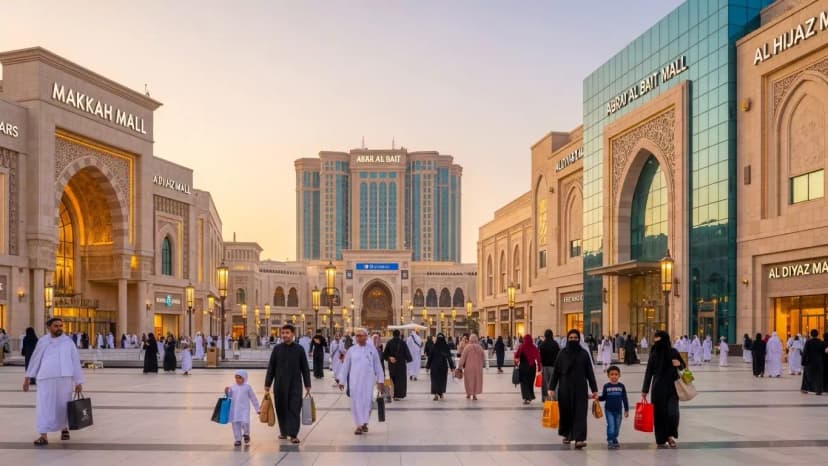
Top 12 Shopping Malls in Makkah 2025
17 Dec 2025

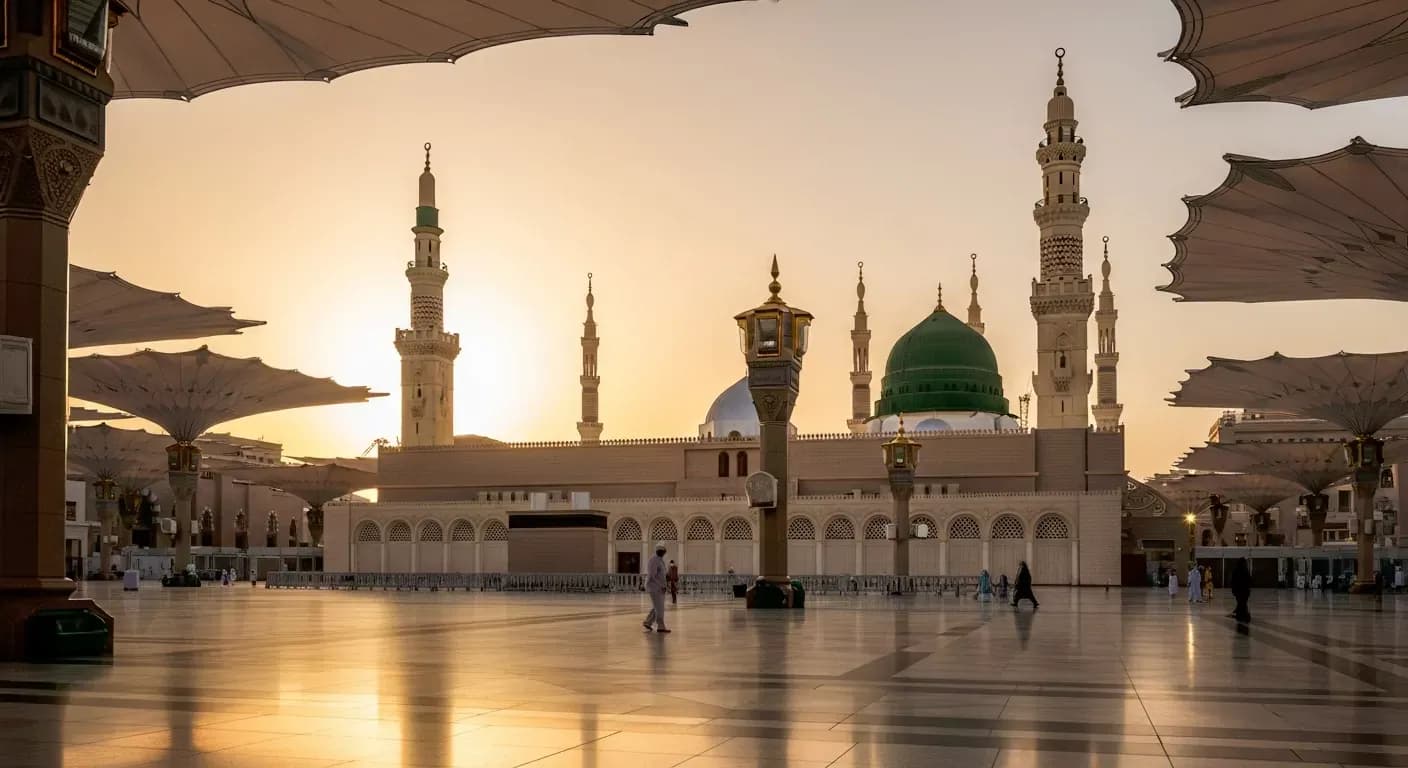
Madinah is the second holiest city in Islam, where history, spirituality, and faith beautifully converge. Pilgrims from across the globe visit to connect deeply with the life and legacy of Prophet Muhammad ﷺ and his companions. Ziyarat, the sacred act of visiting holy sites, is highly recommended in Islam, offering deep spiritual reflection and historical insight that strengthens one’s bond with the Prophet’s teachings and the sacrifices of the Sahabah.
Planning a ziyarat trip enriches the pilgrimage experience and ensures no important site is overlooked. With hundreds of significant religious and historical landmarks in Madinah, understanding their locations and recommended practices is essential. This guide explores some must-see ziyarat places, highlighting their spiritual significance, rich history, and practical tips. Whether it is your first or subsequent visit, following a well-organized itinerary brings convenience and enhances spiritual fulfillment. These sacred visits are not mere rituals but profound opportunities for reflection, righteousness, and renewed connection to Islamic heritage.
Madinah, the city of the Prophet Muhammad (PBUH), holds deep spiritual significance for Muslims worldwide. Beyond Masjid an-Nabawi, the city is filled with sacred sites that recount the struggles, sacrifices, and triumphs of early Islam. Visiting these 20 ziyarat places allows pilgrims to connect with history, strengthen their faith, and reflect on the legacy of the Prophet and his companions during their blessed journey.
Masjid al-Nabawi, the Prophet’s Mosque, is Islam’s second holiest site. Built by the Prophet Muhammad (PBUH) after the Hijrah, it holds immense spiritual value. The mosque’s Green Dome houses the Prophet’s (PBUH) resting place alongside Abu Bakr (RA) and Umar (RA). Pilgrims especially seek the Rawdah, known as “a Garden from Paradise,” where prayers are believed to hold exceptional merit. Vast, peaceful, and spiritually uplifting, it remains the center of ziyarat in Madinah.
Located next to Masjid al-Nabawi, Jannat al-Baqi is the holiest cemetery in Islam after Jannat al-Mualla in Makkah. Established by the Prophet (PBUH), it is the resting place of his wives, daughters, companions, and countless early Muslims. Pilgrims visit to reflect on the sacrifices of the Prophet’s family and companions. The cemetery reminds visitors of humility, faith, and the legacy of the pioneers of Islam, making it a deeply spiritual ziyarat site.
Masjid Quba, the first mosque in Islamic history, was founded by the Prophet Muhammad (PBUH) during his migration to Madinah. It is mentioned in the Qur’an as a mosque built on piety. According to hadith, performing two rakahs of prayer here equals the reward of an Umrah. The Prophet would regularly visit and pray here, making it a highly significant ziyarat spot for pilgrims seeking blessings and spiritual connection.
Masjid al-Qiblatain, “the Mosque of Two Qiblas,” is where the Qibla direction changed from Jerusalem to the Kaaba in Makkah. This historic event occurred during prayer, symbolizing the distinct identity of Muslims. Pilgrims visit to reflect on the significance of this divine command and the unity of the Ummah. Today, the mosque is well-maintained with modern facilities, welcoming pilgrims who wish to connect with this defining moment in Islamic history.
Mount Uhud is one of the most important historical and spiritual sites in Madinah. It was the location of the Battle of Uhud in 625 CE, where many companions were martyred, including Hamza ibn Abdul-Muttalib (RA), the Prophet’s uncle. Pilgrims visit to honor the martyrs buried in the Uhud cemetery and to reflect on the lessons of discipline, sacrifice, and faith that the battle represents. It is a powerful reminder of early Islamic struggles.
The Seven Mosques mark the site of the Battle of the Trench. Though six historic mosques remain, the site collectively symbolizes the courage and unity of Muslims during one of the Prophet’s greatest military strategies. Masjid al-Fath and Masjid Salman al-Farsi are key highlights. Pilgrims come to reflect on the steadfastness of the early Muslims and their unwavering reliance on Allah during hardship. It’s a spiritually enriching ziyarat destination.
Known as the Mosque of Answered Prayers, Masjid Al-Ijabah is where the Prophet Muhammad (PBUH) supplicated for his Ummah. His prayers for protection from famine and drowning were accepted, though internal conflict was destined. Pilgrims visit to reflect on the power of du’a and the Prophet’s deep concern for his followers. The mosque stands as a place of humility, supplication, and spiritual reflection, encouraging visitors to strengthen their connection with Allah through prayer.
The Well of Uthman is a historic site symbolizing charity and generosity. During a time of water scarcity, Uthman ibn Affan (RA) purchased the well and made its water freely available to Muslims. This act became one of the first waqfs (charitable endowments) in Islam. Pilgrims visiting the site are reminded of selflessness, kindness, and the lasting rewards of charity. The well remains under charitable management, still serving as a source of benefit.
The Cave of Uhud, located on Mount Uhud, is where the Prophet Muhammad (PBUH) sought refuge after being injured in the battle. His companions protected him here, showing courage and loyalty. Pilgrims visiting this cave connect with the trials faced by the Prophet and reflect on perseverance, resilience, and faith in times of difficulty. The site offers a quiet, moving ziyarat experience away from the busier areas of Uhud.
Archers’ Hill, facing Mount Uhud, was the station of 50 archers during the Battle of Uhud. The Prophet (PBUH) ordered them not to leave their post, but many did, leading to a shift in the battle. Pilgrims visit to reflect on the importance of discipline, trust in leadership, and obedience to divine guidance. The hill remains a strong reminder of the consequences of disobedience and the lessons of steadfastness in Islam.
This farm recalls the story of Salman Al-Farsi’s (RA) emancipation from slavery. The Prophet Muhammad (PBUH) and companions planted 300 date palms for his freedom, all of which miraculously grew and bore fruit swiftly. Pilgrims visiting the farm witness Madinah’s ancient palm groves and reflect on teamwork, compassion, and the blessings of sincere effort. The farm also highlights the role of agriculture in early Muslim life and the Prophet’s practical mercy.
This historic house belonged to Fatima bint Hussain (RA), granddaughter of Imam Ali (RA). It holds deep spiritual and emotional value, as it connects visitors to the Prophet’s family. Pilgrims recall the sacrifices endured after the tragedy of Karbala, including imprisonment and hardship. The site allows reflection on resilience, the trials faced by Ahlul Bayt, and their unwavering faith. It remains a place of historical remembrance and spiritual contemplation.
Masjid Ghamama, known as the “Mosque of Clouds,” is where the Prophet Muhammad (PBUH) once prayed Salat al-Istisqa (prayer for rain), after which rain fell. He also led Eid prayers here. Pilgrims visit to reflect on Allah’s mercy and the Prophet’s closeness to Him. Its beautiful Ottoman architecture adds to the serene atmosphere, though it is no longer used for daily prayers. Spiritually, it remains a symbol of divine blessings and answered prayers.
Dar al-Madinah Museum is a unique destination for pilgrims and visitors seeking historical context. It showcases Madinah’s Islamic heritage with detailed exhibits, dioramas, and artifacts related to the Prophet’s life, the Hijrah, and the expansion of Masjid al-Nabawi. Unlike traditional ziyarat sites, it offers an educational experience, deepening one’s appreciation of Madinah’s history. Pilgrims gain valuable insights, complementing their spiritual journey with knowledge about the city’s evolution.
Masjid Abu Bakr commemorates the first caliph of Islam. It is said that both the Prophet Muhammad (PBUH) and Abu Bakr (RA) led Eid prayers here. Built during the Umayyad era, it has been restored several times but retains its historic value. Pilgrims visit to honor Abu Bakr’s companionship and leadership after the Prophet’s passing. The mosque serves as a reminder of loyalty, humility, and the foundations of Islamic leadership.
Masjid Umar is dedicated to the second caliph of Islam, Umar ibn Al-Khattab (RA). It is historically linked with Eid prayers, continuing the tradition set by the Prophet (PBUH). Pilgrims visiting Masjid Umar reflect on Umar’s strong character, justice, and devotion. Though modest in size, the mosque symbolizes the enduring legacy of the rightly guided caliphs and provides a place for prayer and remembrance in the footsteps of Islamic history.
Masjid Ali, located near the Seven Mosques, is associated with the fourth caliph, Ali ibn Abi Talib (RA). During the Battle of the Trench, Ali led and defended from this area. The mosque serves as a reminder of his courage, leadership, and devotion to Islam. Pilgrims visiting here reflect on Ali’s legacy as a warrior, scholar, and family of the Prophet. It is a spiritually uplifting site to honor his sacrifices.
Part of the Seven Mosques, Masjid Al-Fath is where the Prophet Muhammad (PBUH) prayed for victory during the Battle of the Trench. His prayers were answered, as the Muslims achieved triumph through strategic defense. Pilgrims visiting this mosque reflect on the power of prayer, patience, and reliance on Allah during hardship. Its location on a hill gives visitors a view of the battlefield area, enhancing its historical and spiritual significance.
Named after Salman al-Farsi (RA), the companion who suggested digging a trench to defend Madinah, this mosque highlights his wisdom and devotion. Pilgrims visit to remember his vital role in Islamic history, his journey to Islam, and his loyalty to the Prophet (PBUH). The mosque is modest but carries immense historical weight, offering a reminder of how knowledge, sincerity, and faith can change the course of events in history.
Masjid Al-Khandaq marks the site of the famous Battle of the Trench, where Muslims defended Madinah through a unique strategy. The mosque is part of the Seven Mosques complex and commemorates this victory of faith and resilience. Pilgrims visit to reflect on the unity of the early Muslim community, the importance of consultation, and Allah’s support in times of hardship. It remains a site of deep historical and spiritual reflection.
To make the ziyarat journey in Madinah more comfortable and organized, many pilgrims prefer booking private taxis. These services ensure a seamless travel experience, allowing visitors to explore all the holy sites at their own pace without worrying about navigating public transport or waiting in long queues. Private taxis in Madinah are usually well-maintained, air-conditioned, and spacious enough to accommodate both individuals and groups.
Companies such as Alfalah Journey, Bakkah Transport, Golden Alsham, and Umrahtaxi.sa offer reliable and professional drivers who are familiar with the routes to all ziyarat locations, ensuring safe and timely arrivals. Pricing is often flexible, with hourly or full-day packages that cover multiple sites. Pilgrims can book in advance through phone or WhatsApp for added convenience. Choosing private taxis not only saves valuable time but also provides peace of mind, making the ziyarat experience more meaningful and stress-free.
Ziyarat in Madinah carries immense spiritual significance, allowing believers to connect with the life and legacy of Prophet Muhammad ﷺ and his companions. The Prophet ﷺ himself encouraged offering salah in Masjid al-Nabawi, where one prayer equals a thousand elsewhere, making it a profound act of devotion.
For those performing hajj and Umrah, ziyarat enriches the journey, blending obligation with reflection. Standing in the Rawdah, visiting Uhud to honor martyrs, or praying in Masjid Quba deepens awareness of faith, sacrifice, and brotherhood. Each scared site from Jannat al-Baqi to Masjid al-Qiblatain teaches humility, perseverance, and devotion.
Ziyarat in Madinah is more than tradition, it renews the love for the Prophet ﷺ and strengthen one's connection with Allah.
Timing visits wisely helps avoid congestion, especially during peak hours. Dressing modestly and observing local etiquette is essential to honor the sanctity of the city. Pilgrims can coordinate visits with prayer times at Masjid al-Nabawi for added convenience and spiritual benefit.
Elderly and disabled visitors should prioritize accessible routes and consider assistance for comfort. Being mindful of safety, personal belongings, and preserving the sites ensures a respectful experience. Proper planning of meals, breaks, and reliable transport reduces fatigue and allows pilgrims to focus more on worship and reflection, making ziyarat both smooth and spiritually fulfilling.
Careful planning of ziyarat in Madinah allows pilgrims to experience both convenience and deeper reflection. Grouping nearby sites ensures efficient travel and less fatigue. For example, the first day may focus on Masjid al-Nabawi, the Rawdah, and surrounding mosques, while later days cover Uhud, Quba, and other important landmarks.
Transport options include private taxis, pilgrim shuttles, and buses, catering to different needs. Staying near central hubs like Masjid al-Nabawi provides easy access to multiple sites. Guided tours offer valuable historical insights, while independent exploration allows flexibility and personal reflection, creating a balanced and spiritually enriching ziyarat journey.
When visiting Madinah, pilgrims must uphold cultural and spiritual etiquette to honor it's sanctity. Ziyarat is more than just a sightseeing site, it is an act of devotion and reflection. Respect for sacred sites such as Masjid al-Nabawi, Jannat al-Baqi, and historic mosques is shown through modest dress, quiet, conduct, and mindful behavior.
Photography should be avoided in sensitive areas like the Rawadah and cemeteries, where prayer takes precedence. Politeness toward locals and fellow pilgrims, patience in crowds, and adherence to rules reflect humility and brotherhood. Above all, pilgrims should focus on dua and reflection, carrying Madinah’s lessons into daily life.
Madinah offers a deeply enriching spiritual journey through its 20 special Ziyarat sites. Each location connects pilgrims to the Prophet Muhammad (PBUH), his companions, and the formative years of Islam. Proper planning, awareness of transport, and respect for cultural norms ensure a meaningful pilgrimage. This guide equips pilgrims with knowledge, helping them reflect, worship, and experience the city’s sanctity fully. Visiting these sites leaves lasting impressions, strengthens faith, and offers historical and spiritual enlightenment for every traveler.