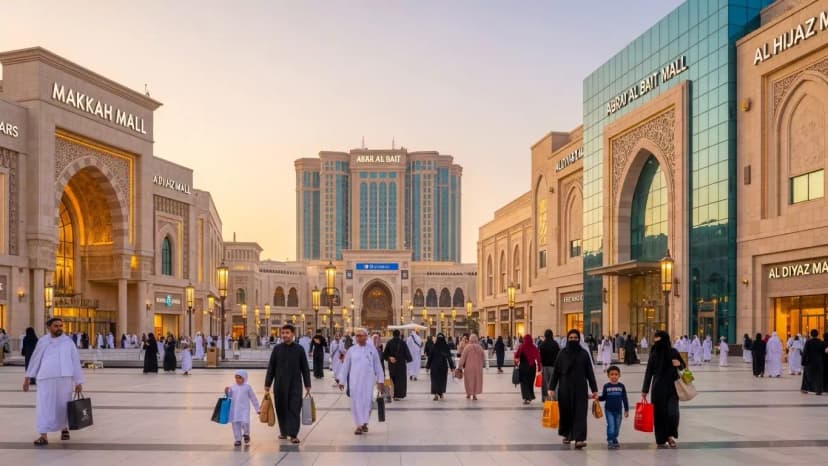
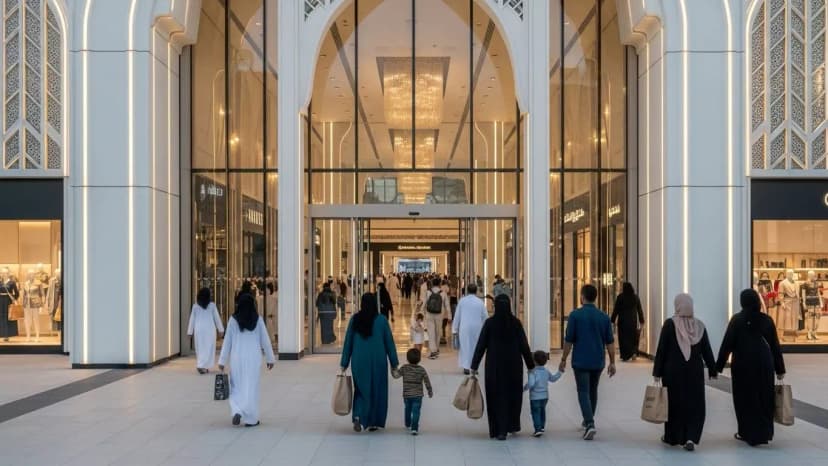
Top 12 Shopping Malls in Makkah 2025
17 Dec 2025

Makkah is the holiest city in Islam, a sacred place where millions of Muslims gather for Hajj and Umrah every year. It is home to the Kaaba and Masjid al-Haram, but its blessings extend far beyond the central mosque.
Surrounding Makkah are numerous historical and spiritual sites connected to the Prophet Muhammad ﷺ, his family, and his companions. Visiting these ziyarat places allows pilgrims to reflect on the trials, sacrifices, and victories that shaped the early Muslim community.
Ziyarat is not only an act of remembrance but also one of deep spiritual enrichment. By offering salah, reciting dua, and reflecting at these sites, pilgrims gain a stronger connection with Islamic history and their faith.
This guide presents ziyarat places to visit in Makkah, highlighting their history, spiritual significance, and practical travel tips. For every believer, these visits make the pilgrimage journey more meaningful, reverent, and transformative.
Makkah, the holiest city in Islam, holds countless landmarks that reflect the legacy of Prophet Muhammad ﷺ and the early days of Islam. Beyond Masjid al-Haram, the holy city is surrounded by sacred sites, historic mosques, mountains, and wells that carry deep spiritual and historical meaning. Visiting these Ziyarat places strengthens faith and connects believers with Islamic heritage.
At the heart of Makkah lies Masjid al-Haram, the most sacred site in Islam. It houses the holy Kaaba, the qibla for Muslims worldwide. Pilgrims visit for tawaf, salah, and deep reflection. The mosque is also home to Maqam Ibrahim and the Zamzam Well. Visiting this holy site offers unmatched spiritual rewards, especially during Hajj and Umrah. Best times are after Fajr or late at night for peaceful worship.
Jabal al-Nour is where the Prophet Muhammad ﷺ received the first revelation of the Qur’an through Angel Jibreel. Climbing the mountain is a profound spiritual journey, reminding pilgrims of the Prophet’s devotion and patience. The cave is small but deeply significant. Visitors should carry water and climb during early morning or evening to avoid the heat. Reflecting on the Qur’an’s first verses here enhances faith.
The Cave of Thawr sheltered the Prophet ﷺ and Abu Bakr (RA) during the Hijrah from Makkah to Madinah. Allah protected them miraculously from Quraysh pursuers. Pilgrims visiting the cave recall trust in Allah during times of danger. The climb is steep, so suitable footwear and hydration are necessary. Standing inside, one feels the Prophet’s reliance on divine protection and his journey’s immense sacrifice.
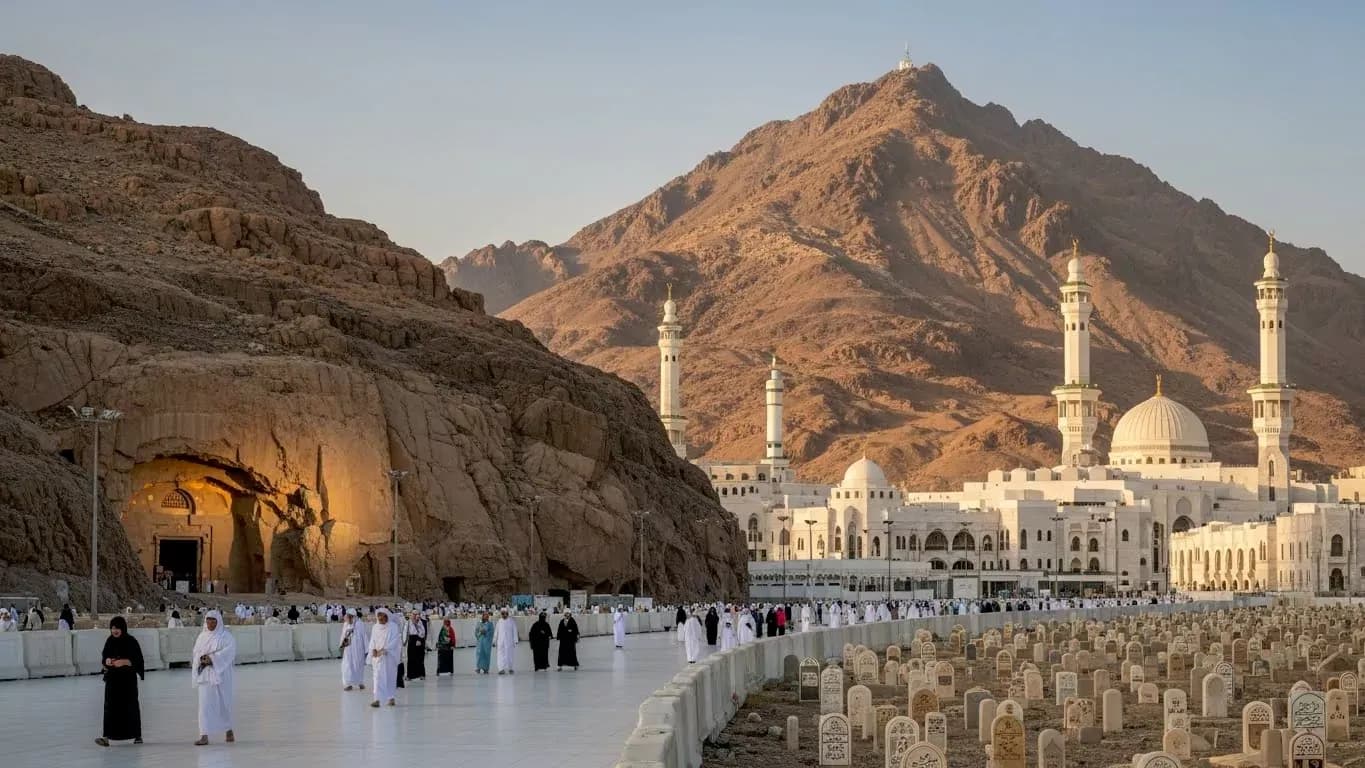
Jannat al-Mu‘alla is the oldest and most sacred cemetery in Makkah. It is the resting place of Khadijah (RA), the Prophet’s beloved wife, and other family members. Visiting reminds pilgrims of mortality, humility, and the sacrifices of early Muslims. Du’a and silent reflection are common practices here. Located close to Masjid al-Haram, it is easy to visit on foot or by short taxi ride.
The Prophet Muhammad ﷺ was born in Makkah, and his birthplace is now marked near a library called Maktab al-Sheikh. Though the original house is gone, pilgrims visit to honor the blessed arrival of the final Messenger. Reflecting here strengthens love and reverence for the Prophet ﷺ. Located close to Masjid al-Haram, it can be visited before or after prayers for added convenience.
Masjid al-Jinn is where a group of jinn pledged allegiance to the Prophet Muhammad ﷺ after hearing him recite Qur’an. It is a unique site that highlights Islam’s universal message. Pilgrims visit to remember the Prophet’s role as a messenger to all creation. Offering salah and reciting Qur’an here is common. Located near Masjid al-Haram, it is easily accessible by foot or short drive.
Masjid al-Rayah, also known as the Mosque of the Banner, is where the Prophet ﷺ pitched his battle flag during the conquest of Makkah. Pilgrims visiting reflect on victory through faith and perseverance. It is a smaller mosque but deeply symbolic of Islam’s triumph over oppression. Offering two rakahs of salah here is recommended. Best visited in the morning to avoid crowds.
Mount Abu Qubais is historically significant as the place where the Prophet ﷺ showed the Quraysh the miracle of the moon splitting. Pilgrims come here to reflect on the signs of Allah and the strength of the Prophet’s message. Though access is limited today, visiting the base of the mountain provides a moment for reflection on miracles and faith. It is located near Masjid al-Haram.
Hudaybiyyah is where the Treaty of Hudaybiyyah was signed between the Prophet ﷺ and the Quraysh. Though initially seen as unfavorable, it became a turning point for Islam’s spread. A mosque stands here commemorating this event. Pilgrims visit to reflect on patience, wisdom, and reliance on Allah’s plan. The site is about 20 km from Masjid al-Haram and can be reached by taxi.
Masjid al-Bay’ah marks the site where the Ansar of Madinah pledged allegiance to the Prophet Muhammad ﷺ before the Hijrah. This pledge laid the foundation for the first Muslim state. Pilgrims visit to reflect on loyalty, unity, and the Prophet’s leadership. Salah and du’a here carry immense meaning. The mosque is located near Mina and can be visited during Hajj.
Mina, the Tent City, is central to Hajj rituals, including the stoning of the Jamarat. Pilgrims stay here during Hajj, retracing the Prophet’s ﷺ own practices. Outside Hajj season, visitors can tour Mina to reflect on sacrifice, obedience, and unity of the Ummah. Located a few kilometers from Masjid al-Haram, Mina is best visited with a guide for historical context.
Arafat is the site of the Prophet’s ﷺ Farewell Sermon and the heart of Hajj. Standing on Mount Arafat on the Day of Arafah is the pinnacle of pilgrimage. Visiting outside Hajj, pilgrims reflect on the Prophet’s message of unity, justice, and faith. Offering du’a here is highly encouraged. The site is about 20 km from Makkah and accessible by taxi or bus.
Muzdalifah is where pilgrims gather pebbles for the stoning ritual at Mina during Hajj and spend the night under the open sky. Visiting this site outside Hajj is a reminder of simplicity, humility, and equality before Allah. Pilgrims reflect on the Prophet’s ﷺ practices and the unity of millions who gather here annually. Located between Mina and Arafat, it is accessible by car.
Masjid al-Khayf in Mina is a historic mosque where the Prophet ﷺ and many prophets before him prayed. Pilgrims visiting the mosque reflect on the continuity of prophetic missions. It is highly recommended to offer salah here, especially during Hajj. The mosque has been renovated and offers modern facilities. Located in Mina, it is easily accessible during pilgrimage.
Masjid Namira is where the Prophet ﷺ delivered his Farewell Sermon on the Day of Arafah. Pilgrims visit to connect with the Prophet’s final message of equality, justice, and obedience to Allah. Salah here, especially during Hajj, is of immense value. Located in Arafat, the mosque is large and well-maintained. Best visited during a planned ziyarat tour to Arafat.
Masjid Aisha is a miqat point where pilgrims intending to perform Umrah enter into ihram. Named after Aisha (RA), who once assumed ihram here, the mosque holds historical and spiritual value. Pilgrims often visit to renew ihram for additional Umrahs. Offering salah and making du’a here are recommended acts. Located about 7 km from Masjid al-Haram, it is accessible by taxi.
Masjid al-Ji’ranah is another miqat point, associated with the Prophet ﷺ entering ihram for Umrah after the Battle of Hunayn. Pilgrims visit to assume ihram and offer salah. The mosque is historically significant for marking the Prophet’s ﷺ movements. Located about 24 km from Makkah, it can be reached by private taxi or organized group tour.
Masjid al-Taneem, also linked to Aisha (RA), is commonly visited by pilgrims for ihram before additional Umrah. Its facilities are modern, with areas for men and women to change. Salah and reflection here prepare pilgrims for Umrah with renewed spirituality. It is about 7 km from Masjid al-Haram, making it easily accessible by short taxi ride.
The Zamzam Well, inside Masjid al-Haram, is one of Islam’s greatest miracles. It appeared for Hajar and Ismail (AS) when Prophet Ibrahim (AS) left them in Makkah, trusting Allah’s command. The well reflects Ibrahim’s faith and Hajar’s perseverance. Drinking Zamzam is blessed, with du‘a encouraged.
The house of Khadijah (RA), the beloved wife of the Prophet ﷺ, was where the Prophet lived after marriage and where most of his children were born. Pilgrims visiting reflect on family, sacrifice, and Khadijah’s unwavering support. Though the original structure no longer stands, its location near Masjid al-Haram is revered. Silent dua and reflection are encouraged here.
Dar Al-Arqam was the secret gathering place for early Muslims during persecution in Makkah. It became a center of learning and unity, where the Prophet ﷺ taught his companions. Pilgrims visiting reflect on resilience, dedication, and the preservation of Islam’s message. Its location is near Safa, easily reached during visits to Masjid al-Haram. Quiet reflection here connects believers to Islam’s earliest struggles.
The House of Abu Talib symbolizes the protection the Prophet ﷺ received from his uncle during Quraysh hostility. Abu Talib’s support ensured the Prophet’s safety in early years. Pilgrims visiting reflect on loyalty, family bonds, and Allah’s protection. Although the original house no longer stands, visiting the location strengthens awareness of the sacrifices made to safeguard Islam.
Fatimah al-Zahra (RA), the beloved daughter of the Prophet ﷺ, was born in Makkah. Her birthplace serves as a reminder of the trials and nobility of the Prophet’s family. Pilgrims visiting this site recall her role as a symbol of purity, devotion, and sacrifice. Offering dua and reflecting on her legacy enriches the ziyarat journey.
Though mentioned earlier, the Cave of Hira is often listed again in ziyarat itineraries due to its unmatched significance. It marks the moment Islam began with the first revelation. Pilgrims climbing Jabal al-Nour to reach the cave reflect on the Prophet’s ﷺ dedication and the transformative power of the Qur’an. Best visited at dawn for cooler weather and peaceful reflection.
The Mosque of the Banner, tied to the conquest of Makkah, symbolizes triumph of truth over oppression. Pilgrims visiting offer two rakahs and reflect on Allah’s promise of victory to the believers. It stands as a monument to perseverance and trust in Allah. Located within Makkah, it is accessible by short taxi ride.
Masjid Shajarah is where the Prophet ﷺ is said to have called a tree that moved towards him as a sign of his prophethood. This miracle reminds pilgrims of the Prophet’s connection with Allah’s creation. Offering salah here deepens one’s reflection on signs of divine truth. It is a small mosque but historically meaningful for visitors.
This site recalls the Prophet ﷺ raising his banner during battles, symbolizing courage and faith. Pilgrims reflect on the struggles faced in Makkah before Islam’s victory. Salah and du’a here connect visitors to the Prophet’s ﷺ steadfast leadership. Best visited during quieter hours for reflection.
Masjid Bilal honors Bilal ibn Rabah (RA), Islam’s first mu’adhin. His devotion and perseverance against torture in Makkah inspire pilgrims. Visiting reminds believers of equality in Islam, as Bilal’s faith outweighed social status. Offering salah here honors his legacy of sacrifice and faithfulness. Located within Makkah, it is a site of humility and remembrance.
At Mount Abu Qubais, this mosque marks the Prophet ﷺ showing Quraysh the moon-splitting miracle. Pilgrims visiting offer salah and reflect on the signs Allah granted to His Messenger. The site reinforces trust in miracles and the Prophet’s ﷺ mission. Its proximity to Masjid al-Haram makes it easy to visit during a ziyarat tour.
This mosque stands near the site of Khadijah’s (RA) home, where the Prophet ﷺ lived with her. Pilgrims reflect on her sacrifices, support, and the deep love she shared with the Prophet ﷺ. Offering salah here honors her legacy as the Mother of Believers. Located close to the Haram, it is a spiritually uplifting ziyarat stop.
Exploring these ziyarat places in Makkah requires well-planned transportation, as many sites are spread across different parts of the city and surrounding areas. Public transport is often limited to specific routes, and walking long distances can be exhausting, especially for elderly pilgrims or families with children. This is why private taxis and hired vehicles, such as those offered by Bakkah Transport, Golden Al Sham, and Alfalah Journey, are the most convenient choice for ziyarat.
Private transportation offers flexibility in planning the itinerary, allowing pilgrims to visit multiple sacred sites in a single day without worrying about schedules. Vehicles are air-conditioned and comfortable, ensuring a stress-free journey under Makkah’s hot climate.
Professional drivers familiar with the routes provide safe and timely travel, often including historical insights about each site. Many companies offer hourly or full-day packages, which are cost-effective for groups.
Booking can be done in advance through websites, WhatsApp, or hotel concierge services, ensuring pilgrims focus on prayer, reflection, and spiritual enrichment rather than logistics.
Ziyarat is more than just visiting scared landmarks, it is a journey of reflection and reverence. Each site holds deep ties to the Prophet Muhammad ﷺ, his family and his companions, reminding pilgrims of early Islam's struggles and sacrifices.
Jannat al-Mu‘alla recalls the final resting places of Khadijah (RA) and other pioneers of faith. Jabal al-Nour and the Cave of Hira signify the beginning of revelation, while Mina, Arafat, and Muzdalifah symbolize unity and obedience during Hajj. The Zamzam well reflects divine providence and mercy.
Through salah, du‘a, and reflection at these sacred places, ziyarat becomes an act of worship. renewing faith, honoring sacrifice, and strengthening one’s connection with Allah.
Visiting these historical ziyarat places in Makkah enriches the pilgrim’s journey by blending spiritual devotion with historical awareness. Each site tells a story of perseverance, guidance, and divine mercy, offering lessons that remain relevant today. With proper planning and reliable transport, pilgrims can cover these sacred landmarks with ease, focusing on prayer, reflection, and gratitude.
Ziyarat in Makkah is more than a visit, it is an opportunity to strengthen faith, honor the legacy of the Prophet ﷺ and his companions, and carry forward the values of sacrifice and devotion in everyday life.